H-WORKS BLOG

Discover in-depth bicycle hub knowledge, technical guides, and maintenance tips. If you find our articles helpful, share them with riders and wheel builders worldwide.
click

What Precision Means in Bicycle Hubs

By Bill Simons June 3rd, 2026 251 views
Catalog
hub precision means a lot for cyclists: bearing fit, axle alignment, freehub consistency & tight tolerances. Precision boosts durability & ride feel, not just speed.

If you're talking to cyclists, "precision" in a hub means a lot more than just "it spins smoothly" — it’s a combination of things:

Bearing Fit

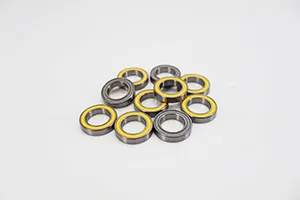
A precision hub has bearing seats machined very accurately. The bearings sit exactly where they're supposed to.

When this is off:

  • Bearings wear faster
  • Hubs develop play
  • The wheel can feel rough sooner

When it's good:

  • Bearings last longer
  • Preload stays consistent
  • The wheel feels "tight" without feeling draggy

Axle Alignment

This is one of the less talked-about parts.

In a precision hub, the axle, bearing bores, and end caps are all aligned properly. Everything runs on the same centerline.

Poor alignment can create tiny side loads on bearings. The wheel still spins, but the bearings aren't particularly happy about it.

Freehub Engagement Consistency

Cyclists often describe a hub as "precise" when the engagement feels crisp and predictable.

Not necessarily high POE (points of engagement).

A hub can have 200+ POE and still feel sloppy if tolerances are poor.

A precision freehub tends to have:

  • Consistent pickup
  • Minimal lag variation
  • Clean engagement sound
  • Less internal slop

Manufacturing Tolerances

This is the big one.

A precision hub usually has tighter tolerances for:

  • Bearing bores
  • Axle diameters
  • Freehub interfaces
  • Ratchet or pawl mechanisms

Two hubs may look identical on paper, but one feels noticeably better because all the dimensions are controlled more tightly.

Wheel Build Quality

Wheel builders often notice precision before riders do.

A hub with:

  • Accurately machined flanges
  • Consistent spoke hole spacing
  • Good concentricity

is generally easier to build into a wheel that stays true.

What Cyclists Actually Feel

Most riders don't say: "Wow, the bearing bores are concentric."

They say:

  • ✔ "This hub feels solid."
  • ✔ "No weird play after a season."
  • ✔ "The engagement feels clean."
  • ✔ "The wheel tracks nicely."
  • ✔ "It just feels well made."

That's usually what they're describing.

The Controversial Part

Many cyclists overestimate how much precision affects speed.

A $1,500 hub won't suddenly make you faster than a decent mid-range hub.

Where precision really shows up is:

  • Durability
  • Consistency
  • Service life
  • Reliability
  • Overall ride feel

For racers, mechanics, and wheel builders, precision matters a lot.

For the average rider, the difference is often less about watts and more about the hub still feeling good after thousands of miles while a cheaper one starts developing play, rough bearings, or inconsistent engagement.

That's why when experienced cyclists praise a hub for being "precise," they're usually talking about tight tolerances, consistent machining, accurate alignment, and long-term mechanical quality, not just how fast the wheel spins in a bike shop stand.

A Complete Guide of Cartridge Bearings vs. Cup & Cone Bearings
Previous
A Complete Guide of Cartridge Bearings vs. Cup & Cone Bearings
Read More
Bicycle Hub Spoke Hole Count Guide 20H · 24H · 28H · 32H · 36H
Next
Bicycle Hub Spoke Hole Count Guide 20H · 24H · 28H · 32H · 36H
Read More

Have any queries?

Get reply within 12 hours. GDPR-compliant, no spam.
Full Name *
Email *
Company
Other Contacts
Message *
Verify you are not a bot *
Click to verify