Discover in-depth bicycle hub knowledge, technical guides, and maintenance tips. If you find our articles helpful, share them with riders and wheel builders worldwide.
Home > Blog > free hubfree hubfree hubfree hubfree hubfree hubfree hubfree hub222 2021
A Comprehensive Guide to Bicycle Hub Freehubs
By Bill SimonsJuly 1st, 2026459 views
Learn all about bike freehubs: how they work, pawl & ratchet systems, common standards, clicking noise causes, performance benefits and key maintenance tips.
⚙️ What is a Freehub?
A comprehensive guide to bicycle hub freehub.
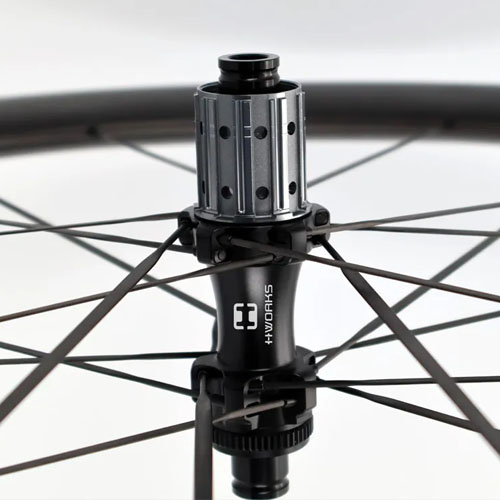
Whether you ride a road bike, an MTB, or a gravel bike, your rear wheel depends on one critical component—the Freehub. Hidden behind the cassette, it governs power transfer, coasting experience, riding speed and feel. From structure, principles, models, and standards to maintenance and selection, this article will help you comprehensively understand everything about the Freehub.
🚴 1. How is power transferred to the wheel?
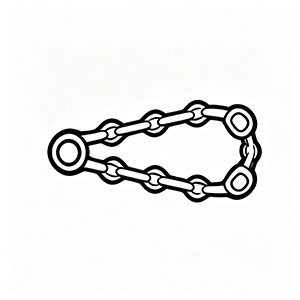
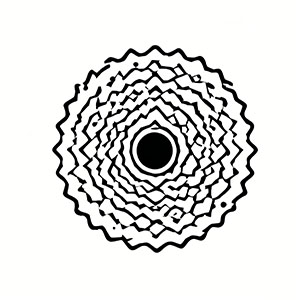
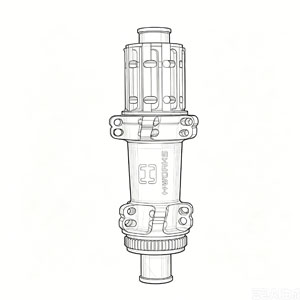
From the moment you push the pedal, power passes through a series of components to ultimately drive the wheel forward. The Freehub acts as the crucial "clutch" in this process.
Pedal
➜
Crank
➜
Chain
➜
Cassette
➜
Freehub
➜
Rear Hub
➜
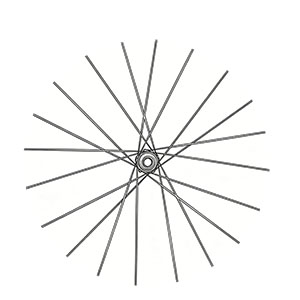
Spokes
➜
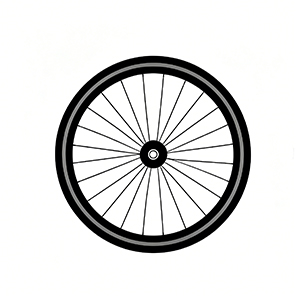
Rim
➜
Road
💡 Many people think it's just Pedal → Cassette → Wheel, but the component that truly completes the power "relay" is the Freehub. Without it, modern bicycles cannot coast.
🔧 2. What is a Freehub?
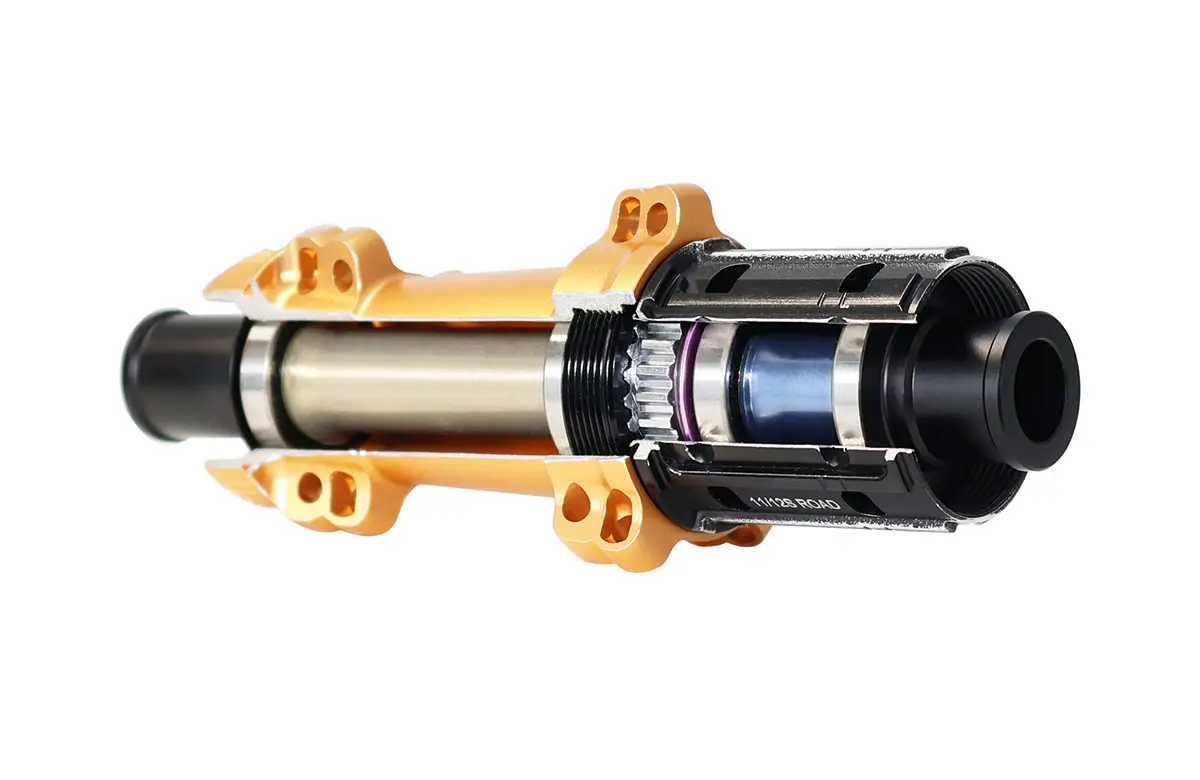
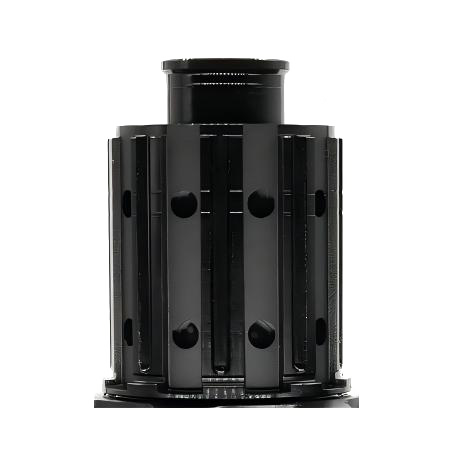
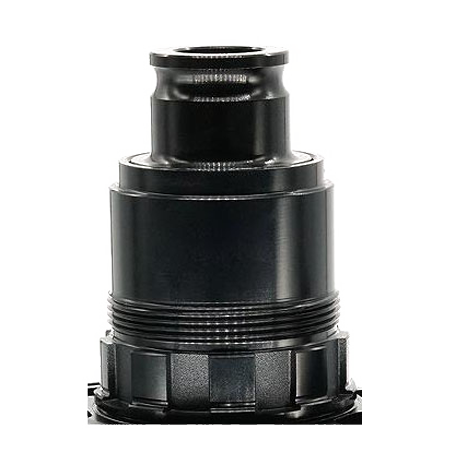
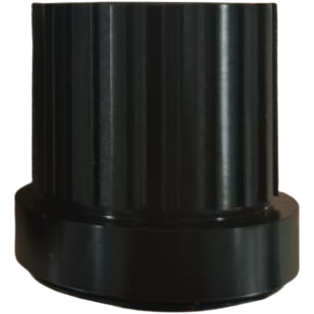
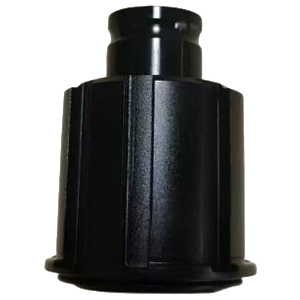
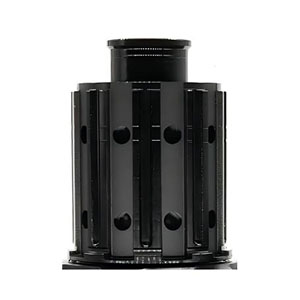
A Freehub is a precise mechanical structure mounted on the hub. Its functions are:
When pedaling, it locks and transmits power;
When coasting, it releases and allows the rear wheel to spin freely.
SealFreehub BodyBearingPawlRatchet RingSpring
⚙️ 3. How does a Freehub work?
Its core function is "one-way lock, reverse release".
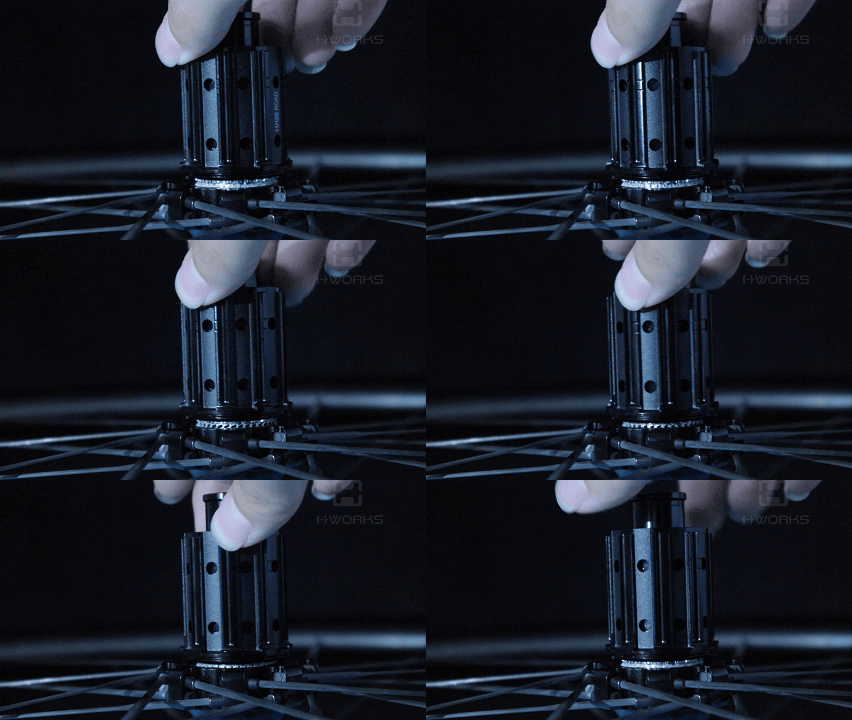
A freehub lets you pedal and coast using a one-way ratchet mechanism. When you pedal, the ratchet locks, transferring power from the cassette to the wheel. When you stop pedaling, it instantly releases, allowing the wheel to keep spinning while the pedals remain still—one-way lock, reverse release.
🚀 Pedaling State (Locked & Transmitting)
When pedaling, the pawls engage with the ratchet ring. The cassette drives the Freehub, transferring power from the hub to the wheel.
Power Input → Pawl Engagement → Wheel Moves Forward
🔄 Coasting State (Free Rotation)
When you stop pedaling, the pawls disengage from the ratchet ring. The hub continues spinning, and the cassette separates from the Freehub.
Pawl Disengagement → Cassette Idles → Wheel Spins Freely
🔊 4. Why does the Freehub make a "clicking" sound?
When coasting, the pawls continuously skip over the ratchet ring teeth, creating a rhythmic "clicking" sound.
🎯 The volume of the sound depends on these factors: Number of Points of Engagement (POE) / Pawl & Ratchet Design / Spring Tension / Lubrication Condition (Grease type, quality, and quantity) / Hub Shell Structure
📌 Key Knowledge: A denser sound usually means higher POE, but a louder sound does not necessarily mean better performance.
⚖️ 5. Pawl vs Ratchet
Modern bike hubs primarily feature two engagement mechanisms, each with its own pros and cons:
Comparison
Pawl System Pawl + Ratchet Ring
Ratchet System Dual Ratchet Rings
Structure
Pawl + Spring + Ring
Dual ratchet rings interlocking
Force Distribution
Concentrated at the pawl tips
Distributed across large tooth surfaces
POE Design
Limited by the number of pawls
Easier to achieve high POE
Engagement Speed
Fast
Fast
Maintenance
Easy to replace, parts are interchangeable
Precise structure, complex maintenance
Weight
Lighter
Typically heavier
Sound
Crisp, rhythmic
Low-pitched, continuous
Cost
Lower
Higher
Typical Application
Entry to Mid-range wheelsets
High-end wheelsets, Racing
📏 6. Common Freehub Standards
Different brands and drivetrains use different hub standards. The cassette and Freehub must match for proper installation.
Shimano HG
Broad compatibility
SRAM XDR
Fits: SRAM 12s Road
13 Splines
Road specific optimization
Shimano MSR
Fits: Shimano 12s MTB
23 Splines
Fine splines, lightweight
Campagnolo N3W
Fits: Campagnolo 11-12s
11-13 Splines
Dedicated spline design
🚀 7. Impact of Freehub on Wheelset Performance
A high-quality Freehub can significantly elevate the performance of your entire wheelset.
⚡ Power Response
High engagement rate results in more direct power transfer and quicker startup response.
🏁 Acceleration
High POE provides faster response, offering an advantage in sprints and climbs.
🌬️ Coasting Efficiency
Low-friction design reduces resistance, allowing for smoother coasting.
🛡️ Durability
High-quality materials and structure ensure a longer lifespan and superior reliability.
🎵 Sound & Feel
Different designs deliver distinct sound signatures and pedaling feedback.
🔧 Maintenance Cost
Structural rationality affects maintenance frequency and repair complexity.
 Pedal
 Crank
 Chain
 Cassette
 Freehub
 Rear Hub
 Spokes
 Rim
 Road