Bike hubs may not be the most eye-catching component, but they are the unsung heroes of your wheel setup. They play a crucial role in dictating rigidity, compatibility, and overall performance, no matter if you're sprinting on smooth tarmac, taking on challenging gravel trails, or leisurely cruising through city streets. With various riding styles in mind, understanding the subtleties of different hub types is essential. In this article, we'll break down six major categories, providing you with the insights needed to choose the perfect hub for your cycling adventures.
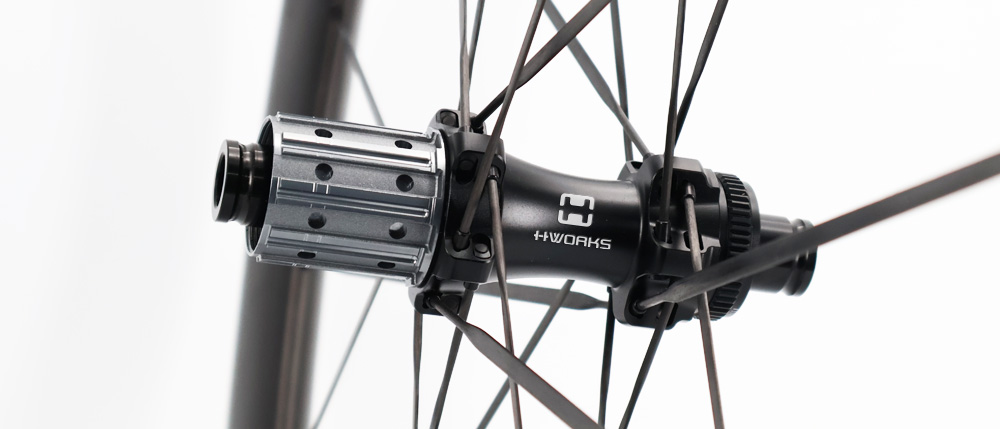
1. Road Bike Hubs: The Lightweight Speed Demons
Purpose:
Designed for traditional road cycling, including racing, training, and fast-paced group rides on paved roads.
Key Features:
- Prioritize low weight and efficiency with compact flanges to reduce wind resistance.
- Smooth-rolling bearings enhance power transfer for high-speed performance.
Best For:
Riders focused on agility and speed on flat or gently rolling terrain.
2. Cyclocross Hubs: Built for Mixed-Terrain Toughness
Purpose:
Ideal for cyclocross racing and gravel riding, where courses blend pavement, mud, gravel, and short off-road sections.
Key Features:
- Reinforced flanges and wider spacing to withstand sharp turns, sudden braking, and rough impacts.
- Compatibility with slightly wider tires for better traction on loose surfaces.
- Durable designs often include sealed bearings to resist dirt and moisture.
Best For:
Riders who thrive in unpredictable, mixed-terrain environments and value robustness over pure lightweight.
3. Track Hubs: Minimalist Speed for the Velodrome (and Streets)
Purpose:
Designed for track cycling competitions, with some models adapted for urban use.
Key Features:
- Fixed-gear design: No freewheel—pedaling is directly linked to wheel movement, ensuring instant power transfer.
- Ultra-lightweight construction with small flanges to minimize air resistance.
- Street Adaptations: Look for hubs with flip-flop capabilities or integrated braking mechanisms for safe city riding.
Best For:
Track cyclists and urban riders seeking a minimalist, responsive setup.
Choosing the Right Hub: Key Considerations
1. Riding Style:
Speed/Competition: Opt for traditional road hubs or track hubs.
All-Terrain/Gravel: Prioritize cyclocross or Boost hubs for durability and tire flexibility.
Urban Commuting: Flip-flop hubs offer versatility, while disc hubs add braking confidence.
2. Frame Compatibility:
Ensure hub spacing matches your frame's dropout width.
Disc hubs require disc-specific frames; avoid mixing with rim-brake setups.
3. Tire and Drivetrain Needs:
Wider tires often pair best with Boost or cyclocross hubs.
Modern 12-speed cassettes may require hubs with compatible freehub bodies.
Trends and Tips
- Disc Brake Dominance: Disc hubs are increasingly standard in mid-to-high-end road bikes, driven by their superior stopping power.
- Boost Standard Adoption: Gravel and adventure bikes are leading the shift to Boost hubs for enhanced performance.
- Avoid Compatibility Pitfalls: Always check frame specs before upgrading; retrofitting Boost hubs to older frames may require specialized adapters.
Conclusion
Road bike hubs are far more than just wheel components—they're tailored to your riding philosophy. Whether you're chasing podium finishes, exploring rough trails, or navigating city traffic, the right hub ensures your wheels perform flawlessly. By matching hub design to your needs and frame setup, you'll unlock a smoother, more efficient, and safer riding experience. Choose wisely, and let your hubs carry you forward.


