

2026-10-16
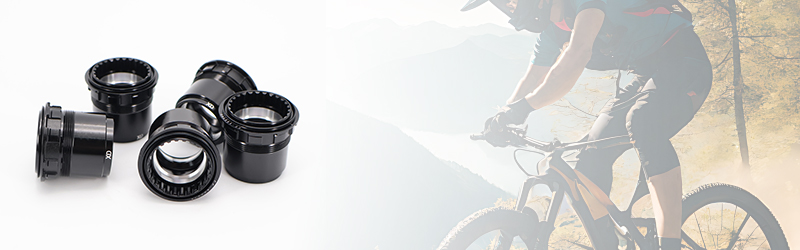
AL7075, an aerospace-grade aluminum alloy, boasts a tensile strength exceeding 524 MPa—comparable to ordinary steel. As the core power transmission component, the freehub body must withstand cycling torque, especially during climbs or high-power sprints. High rigidity minimizes deformation, preventing freewheel meshing failure and enhancing transmission efficiency.
With a density just one-third that of steel, AL7075 freehub bodies offer significant weight reduction compared to steel counterparts. This is particularly critical for road bikes and mountain bikes where lightweight design directly impacts performance and agility.
Aluminum alloys naturally form a dense oxide film on their surface, providing superior rust resistance to steel—especially in humid environments. Anodizing treatment further boosts AL7075's wear and corrosion resistance, extending the freehub body's service life.
Precision CNC machining allows AL7075 to achieve intricate structures like multi-tooth ratchets and lightweight hollow designs, meeting strict tooth profile and geometric strength requirements. Aluminum alloy also consumes less energy during processing than steel, enabling high-precision mass production.
Aluminum alloy's thermal conductivity far exceeds steel, efficiently dissipating heat generated by freehub body friction during intense cycling or long descents. This prevents lubricant failure and material fatigue caused by overheating.
Ideal for road bikes, XC/Trail mountain bikes, and competition-grade hubs that require a balance of lightweight design and rigidity, in environments without extreme impacts or overloads.


