

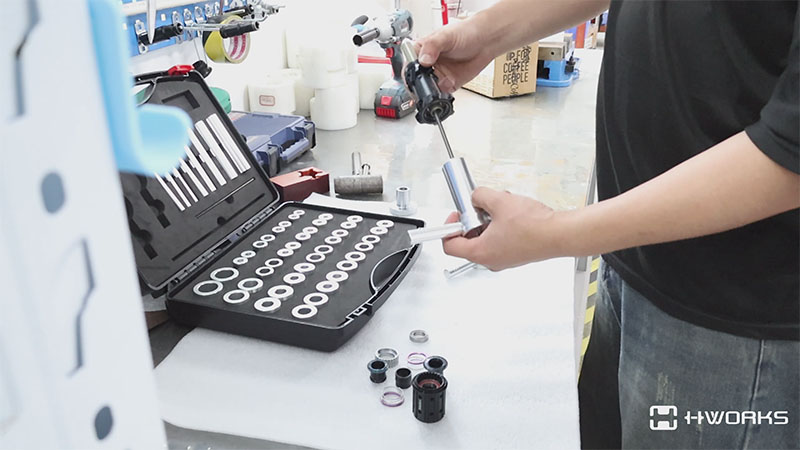
When it comes to bicycle performance, every detail matters—but few components are as critical and as often neglected as the hub. The hub is the central part of the wheel that connects the rim to the bike through the spokes and axle. It houses the bearings, axle, and, in rear wheels, the freehub or freewheel mechanism. These elements work together to ensure smooth rotation and efficient power transfer.
Whether you're a casual rider, a dedicated commuter, or a competitive cyclist, keeping your hubs well-maintained can significantly improve your ride quality, prevent costly repairs, and extend the lifespan of your wheels. In this guide, we’ll cover everything you need to know about bicycle hub maintenance—why it matters, how to do it, and when to schedule it.
Why Is Hub Maintenance Important?
Your hubs are constantly under stress. They rotate thousands of times per ride, bear the rider's full weight, and endure exposure to dirt, moisture, and road vibration. Even though they're designed to handle abuse, over time they can develop issues such as:
- Increased friction or resistance
- Bearing wear or rust
- Poor engagement from the freehub mechanism
- Contamination from water or debris
- Axle misalignment or play
By performing regular bike hub service, you ensure your wheels spin freely, your drivetrain runs efficiently, and your ride feels stable and controlled. Neglecting this can lead to noise, rough handling, premature wear, and even mechanical failure in extreme cases.
Types of Bicycle Hubs
Before diving into maintenance, it helps to understand the basic types of hubs, as the service process can vary:
- Front vs. Rear Hubs: Front hubs are generally simpler, while rear hubs include the freehub or freewheel mechanism to enable coasting and gear shifting.
- Disc vs. Rim Brake Hubs: Disc brake hubs have mounting interfaces for rotors and may include different axle or bearing designs.
- Bearing Types:
- Cup-and-cone bearings: Adjustable, serviceable, and commonly used in traditional designs.
- Sealed cartridge bearings: Preassembled and easier to replace, common in modern hubs.
- Axle Standards: Quick release or thru-axle, depending on your bike frame and fork.
Identifying your hub type helps you choose the right tools and follow the correct procedures.
How to Know When Your Hub Needs Maintenance
Look out for these warning signs:
- Noisy hubs: Clicking, grinding, or squealing sounds.
- Rough rotation: The wheel doesn’t spin smoothly.
- Loose wheel movement: Side-to-side play when you rock the wheel by hand.
- Freehub delays: Poor engagement when pedaling.
- Dirty or leaking grease: Grease or black grime around the hub area.
Don’t wait until your hub fails mid-ride—early detection is key to preventing damage.
How Often Should You Service Your Hubs?
Maintenance intervals vary based on usage and conditions:
- Casual / Weekend Riders: Once per year
- Daily Commuters: Every 4–6 months
- Mountain / Gravel Riders: Every 3 months
- Competitive / High-Mileage Riders: Every 1–2 months
Riding in wet, dusty, or muddy environments accelerates wear, so increase service frequency accordingly. It’s also wise to inspect your hubs after rain, races, or long trips.
Essential Tools and Supplies for Hub Maintenance
Before you start, gather the right tools. While specifics depend on your hub type, a basic kit might include:
- Cone wrenches or hex keys
- Grease (bearing-specific or waterproof)
- Clean rags and degreaser
- Small pick or tweezers (for seals)
- Torque wrench (optional but recommended)
- Replacement bearings or parts if needed
Make sure your workspace is clean and well-lit.
Step-by-Step Guide to Hub Maintenance
1. Remove the Wheel
Shift the chain to the smallest rear cog to make the rear wheel easier to remove. Open the quick release or remove the thru-axle and take the wheel off the frame.
2. Disassemble the Hub
Depending on the hub, unscrew the axle or end caps to expose the bearings. For cup-and-cone hubs, use cone wrenches to loosen the locknuts and cones. For cartridge bearing hubs, carefully pull out the axle and press out the bearings if necessary.
3. Clean the Components
Wipe the axle, cones, and bearing seats with a clean rag. Use a degreaser to remove old grease and dirt. Avoid getting degreaser on rubber seals or plastic parts.
4. Inspect the Bearings
- Cup-and-cone bearings: Check for smoothness, rust, or pitting.
- Cartridge bearings: Spin them by hand—if they feel gritty or have play, replace them. Check all bearing races for wear or scoring.
5. Re-Grease and Reassemble
Apply fresh grease to all contact surfaces. For cup-and-cone hubs, place loose ball bearings into the race using a bit of grease to hold them. For sealed bearings, press new ones in if necessary. Reassemble the hub in reverse order, adjusting bearing preload so there’s no play but the wheel spins freely.
6. Reinstall the Wheel and Test
Put the wheel back on the bike, tighten the axle or thru-axle, and spin the wheel. Check for smooth rotation and ensure the hub is centered and aligned. Go for a test ride to confirm everything feels right.
Freehub Maintenance Tips
Rear hubs with a freehub body require extra attention. If you hear a loud buzzing or delayed engagement when pedaling, your freehub might need servicing.
- Some freehubs can be opened, cleaned, and lightly lubricated.
- Others are sealed and must be replaced if faulty.
- Use only light oil or specific freehub grease—heavy grease can affect pawl function.
Hub Maintenance Do’s and Don’ts
✅ Do:
- Use quality grease or lubricant
- Inspect parts for wear during each service
- Keep your tools clean and organized
- Replace worn bearings promptly
❌ Don’t:
- Over-tighten bearing preload
- Use WD-40 or degreaser as a lubricant
- Ignore noise or roughness from the hub
- Force parts that don’t come out easily—use the right pullers or presses
Preventive Maintenance Tips
- Wipe down your bike after wet or dusty rides
- Avoid pressure washing hubs directly
- Store indoors when possible to prevent corrosion
- Check wheel spin and bearing play regularly
- Keep spare bearings and grease in your workshop for quick tune-ups
Final Thoughts
Your hubs are the silent heroes of every ride. With regular maintenance, they’ll reward you with buttery-smooth rolling, quick power transfer, and long-term durability. Whether you ride for fun, fitness, or competition, investing time in bicycle hub maintenance is one of the smartest ways to keep your bike performing at its best.


